
No products in the cart.
Return To Shop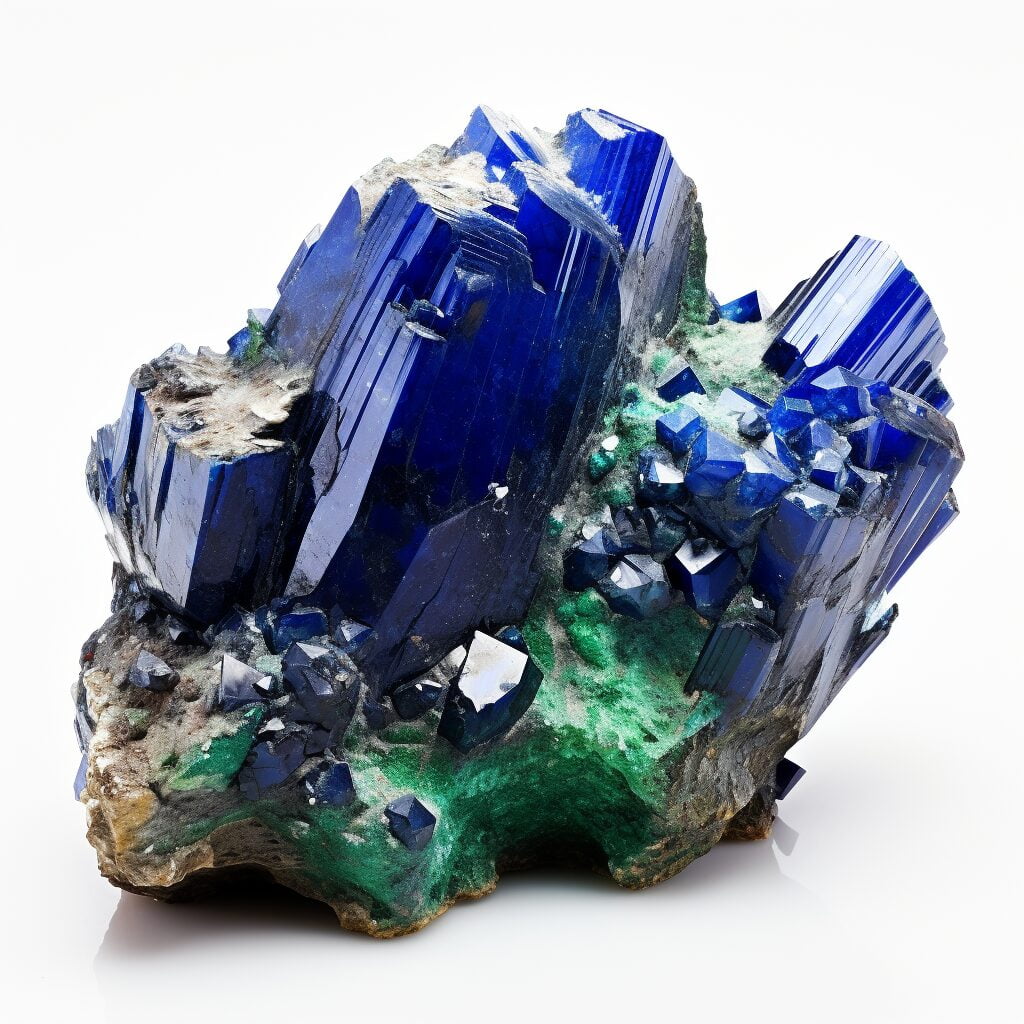
Azurite
Azurite: Unveiling the Mysteries of the Deep Blue Gemstone
Azurite, a captivating gemstone revered for its mesmerizing deep blue hue and rich historical significance, holds a special place in the world of minerals and metaphysical exploration. With its striking color and unique properties, Azurite has captured the fascination of artists, collectors, and spiritual seekers for centuries. In this detailed exploration, we’ll delve into the origins, characteristics, uses, and metaphysical attributes of Azurite.
Origins and Appearance:
Azurite, a copper carbonate mineral, forms as a secondary mineral in copper ore deposits. Its stunning blue color is the result of copper ions within its crystal lattice. Typically found in copper mining regions worldwide, notable sources include Arizona (USA), Morocco, Australia, and parts of Europe. Azurite often occurs alongside other minerals like malachite, creating a visually striking combination of vibrant blue and vibrant green.
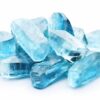
In its raw form, Azurite presents as small, prismatic crystals or granular aggregates. It has a vitreous to dull luster and a distinctive deep blue color that ranges from light to dark shades, sometimes exhibiting intriguing patterns resembling the flow of water or celestial formations.
Historical Significance and Symbolism:
Azurite has been treasured by cultures throughout history. Ancient civilizations, including the Egyptians and the Mayans, used Azurite for artistic purposes, incorporating it into paintings and jewelry. The deep blue color was associated with the heavens and thought to symbolize wisdom, truth, and spiritual enlightenment.
During the Renaissance period, Azurite gained popularity among European painters, who used it as a pigment to achieve rich blues in their artwork. However, due to its sensitivity to light and air, Azurite pigments often degraded over time, leading to the development of alternative pigments.
Uses and Applications:
Beyond its historical significance, Azurite has various practical applications. Due to its vivid color, it’s a sought-after material for creating jewelry pieces, such as pendants, earrings, bracelets, and necklaces. The gemstone is often cut into cabochons, showcasing its exquisite blue hue.
In the realm of metaphysical and spiritual practices, Azurite is believed to possess energy and properties that can benefit individuals seeking personal growth, insight, and transformation. Some enthusiasts incorporate Azurite into meditation practices, believing it aids in accessing higher states of consciousness and enhancing intuition.
Metaphysical Properties:
Azurite is often associated with the third eye chakra, which governs intuition, insight, and spiritual wisdom. It’s believed to stimulate the expansion of consciousness, helping individuals gain clarity and insight into their thoughts and emotions. Additionally, Azurite is thought to enhance communication, making it a valuable tool for those seeking to express themselves more authentically.
Caring for Azurite:
Azurite is a delicate gemstone that requires special care to preserve its beauty. It’s sensitive to light, heat, and even touch, as oils from skin can affect its surface. To maintain its vibrant appearance, it’s recommended to store Azurite jewelry in a cool, dark place and avoid exposure to direct sunlight or harsh chemicals.
In conclusion, Azurite stands as a captivating gemstone that bridges the realms of art, history, and metaphysical exploration. Its deep blue hue and storied history make it a treasure that continues to captivate the hearts and minds of those who appreciate its beauty and embrace its potential for personal growth and transformation.
Related posts
Amethyst: Unveiling the Mystique of the Purple Gemstone Amethyst, with its captivating shades of violet and purple, stands as one of the most renowned and... Continue reading
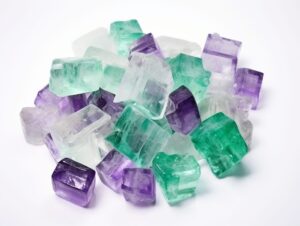
Fluorite Gemstone: A Kaleidoscope of Color and Energy Fluorite, a captivating mineral known for its vibrant colors and fascinating properties, has captivated humans for centuries.... Continue reading
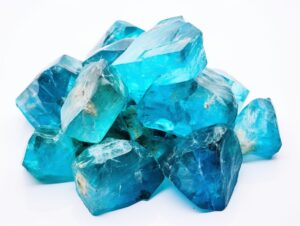
Apatite Gemstone: Exploring Its Beauty and Benefits Apatite, a captivating gemstone known for its vibrant colors and intriguing metaphysical properties, has been captivating humans for... Continue reading
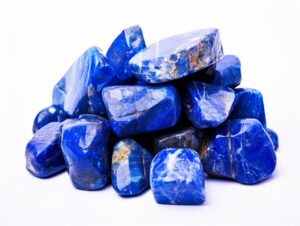
Lapis Lazuli: Unveiling the Rich History and Mystique of a Timeless Gemstone Lapis Lazuli, a captivating gemstone renowned for its deep blue hue and golden... Continue reading

Exploring the Third Eye Chakra: An In-Depth Guide to Activation and Balance The human body is a complex network of energy centers known as chakras.... Continue reading

Add comment